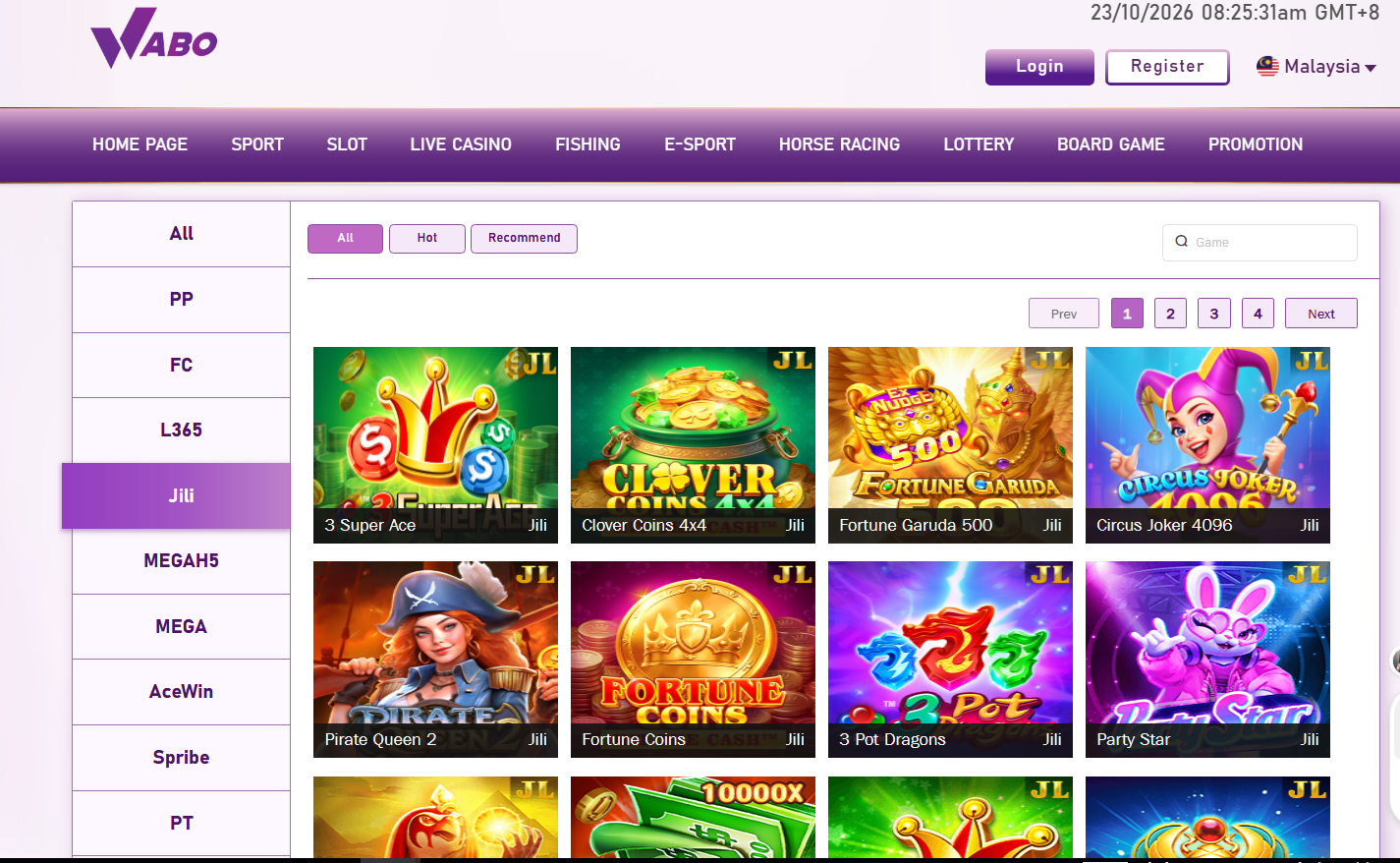
Two mobile slot screens may show the same number of matching icons, yet the results can be completely different. That does not automatically mean one screen has calculated something incorrectly. The games may simply use different systems to decide which symbols form a valid group.
For Malaysian readers researching wabomy and slot basics, it helps to recognise three common structures: paylines, ways and cluster pays. Each requires a different way of reading the screen.
Paylines: follow a defined path
A payline is a designated route through the reels. It might run straight across or move between rows. Matching icons outside that path may not count towards it, even if they look like a set at first glance.
If a fictional game requires three consecutive matches along an active path from the leftmost reel, symbols appearing on reels one, three and four would not complete that requirement. You must check the starting direction, minimum count and applicable lines.
Ways: look across adjacent reels
A “ways” system often counts matching symbols across consecutive reels without requiring a particular drawn line. That does not mean any matching icon anywhere will qualify. Many games still apply a specified start direction and need adjacent reels.
Imagine a fictional game where matching symbols occur twice on reel one, once on reel two and three times on reel three. Under a rule that counts each valid cross-reel combination, the total could be 2 × 1 × 3 = 6 ways. This is a demonstration of one calculation structure, not a formula for every game or a measure of winning probability.
Cluster pays: check whether symbols touch
Cluster games may count connected groups of matching symbols instead of defined reel sequences. But the word “connected” needs its own rule. Some games recognise only horizontal and vertical contact; diagonal contact might not count. Others use different thresholds or symbol behaviours.
| Structure | First thing to check | Common mistake |
|---|---|---|
| Paylines | The eligible line and direction | Counting symbols outside the line |
| Ways | Consecutive reels and valid matches | Assuming gaps do not matter |
| Cluster | Which positions are connected | Assuming diagonal contact always counts |
More routes do not automatically mean better value
A label such as “243 ways” describes a structural feature; it does not guarantee a particular return or prove that it is better than a fixed-line game. Payout rules, probability distribution and version settings also matter. Comparing only the biggest number on the cover image misses that context.
To locate the brand provided for this article, start at wabomy and check the available games and their current rules. This piece does not assert that all three structures are offered on the website.
Frequently asked questions
Are ways games always easier to win than paylines?
No. The number of routes alone is not enough to establish how results are distributed.
Do matching cluster symbols have to be next to each other?
It depends on the game’s own definition of connection and qualifying size.
Can I identify the system just by looking at the reels?
Not reliably. Open the game rules or paytable instead of guessing from the layout.
Knowing the structure can explain a completed result, but it cannot predict the next one. Real-money gaming should only be considered by adults where lawful, within pre-set limits.




 WABO
 AB33
 UBAO
 WABET