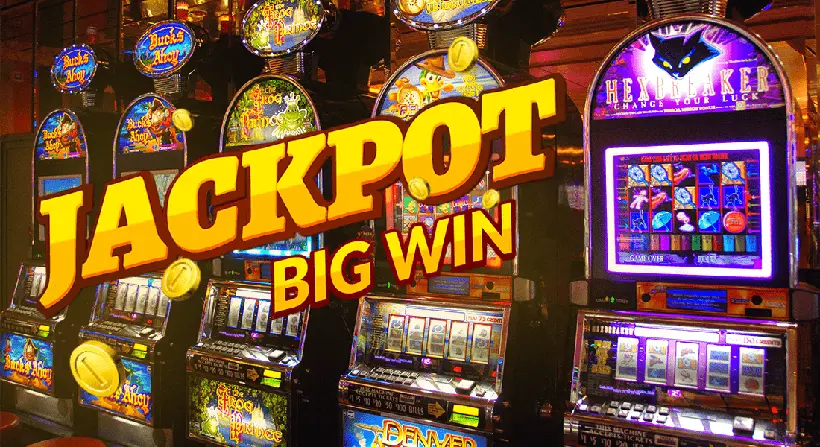
Progressive jackpots function on a financial model that actively defies standard slot logic. Regular machines use a fixed paytable where the top prize is just a multiplier of your stake. Progressives scrap that ceiling. They use an open-ended prize pool that climbs until someone hits the specific symbol combination. Every spin diverts a slice of the wager into a collective fund. This mechanism links gamblers across digital networks, ballooning prizes from thousands into eight-figure sums. When a winner is verified, the prize resets to a seed amount. This seed is a house provided balance that keeps the game worth playing for the next person.
Growth speed depends on the network. Standalone units move slowest because only bets on that specific machine feed the pot. Local progressives link machines within one casino or website for more momentum. Wide area progressives are the heavyweights. They connect thousands of players across multiple platforms at once. This massive scale is the only reason the pool can skyrocket. High participation volume makes multimillion-dollar payouts possible, even if they stay a statistical long shot for any single individual.
The ticking meter on the screen builds a sense of urgency. Serious players know the math is inflexible regardless of the graphics. Probability does not improve just because a prize is huge. Chasing a $10 million jackpot? Your odds are no better than they’d be for a $1 million one. Each spin is an isolated mathematical event. The software never tracks the size of the pot or how long it has been since the last win.
The Reality of Random Number Generators
Slot outcomes depend entirely on a Random Number Generator (RNG). This software is the game brain, cycling through numerical sequences thousands of times per second. When you hit spin, the RNG freezes on the sequence active at that microsecond. That number dictates the symbols. For a jackpot to trigger, the software must land on a sequence so rare it only appears once in millions of cycles. This scarcity is why games go months without a winner.
Standard slots offer frequent small wins to keep you in the seat. Progressives are built for rarity. Top network jackpots come in somewhere between 1-in-10-million and 1-in-50-million odds. You’re actually more likely to get struck by lightning than to hit one on any given spin. The system makes the prize the exception, not the rule.
A common trap is thinking a machine is due. Math proves this is a myth. Since the RNG resets every spin and has no memory, a machine that has not paid out in years is no more likely to hit than one that paid out ten minutes ago. The house edge stays protected by these laws of probability even at record prize heights.
Contribution Rates and Player Value
Jackpot funding comes from players, not the casino budget. Every bet splits three ways. One part covers small wins on the standard paytable. The second is the house edge for profit and overhead. The third is the jackpot contribution, usually 1% to 5% of the bet. Every dollar wagered sends a few cents to fuel that distant prize.
This model makes the Return to Player (RTP) for the base game much lower than regular slots. A high-quality non-progressive slot might offer a 96% RTP. A progressive version might only offer 88% or 90%. The missing percentage builds the jackpot. Players who do not hit the big one are playing a game with significantly worse odds than a standard machine.
Sometimes a jackpot grows so large the theoretical RTP exceeds 100%. This is a positive expectation state. Sounds like a guaranteed win, but it isn’t. Even when the RTP tips over 100%, extreme volatility means the overwhelming majority of players will still burn through their budget before anything meaningful lands. The advantage sits entirely with the one person who eventually hits the sequence.
Bonuses as a Tactical Buffer
Operators market these games by offering credits for longer sessions. These tools help you test high-variance games without burning your own cash immediately. Smart gamblers look for the best crypto casino bonus to maximize their starting bankroll. Digital currency sites often give 200% matches or free spin bundles on specific jackpot titles – a tactical necessity, because more spins are the only way to increase your chances of hitting a rare RNG sequence. Blockchain casinos often avoid bank fees, allowing them to offer larger bonuses.
Cashback or reload deals also soften the blow of a losing streak. These programs provide a rebate on losses, which matters for games designed for long dry spells. No promotion changes the RNG, but they lower your break-even point. Good bankroll management uses these incentives to offset the house edge built into the jackpot fee.
Volatility and Risk
Volatility describes the swing of the game. Progressive slots are at the top of that scale. Unlike low-variance games that pay small amounts often, progressives pay almost nothing for long stretches, then hit with massive spikes. You can easily go 500 spins without a single winning combo. That is the price of admission for a shot at a life-changing sum.
This design is a trade-off. To make a $20 million prize possible, the game cuts out thousands of $50 wins that a regular slot would provide. It is a top-heavy payout model in which the math consolidates the losses of millions into a single payout for one person. If you want your money to last for hours on a small budget, avoid these machines.
Bankroll discipline is your only survival tool. Since the odds of a total loss are high, view the money as the cost of a ticket, not an investment. The goal is to stay in the game, but the math says most players will run out of funds before the variance swings their way.
Online Networks and Global Reach
Moving from physical floors to the internet changed the stakes. A major benefit of online casinos is the ability to pool bets from every continent into one pot. This global reach is why modern jackpots hit record numbers so fast. Online platforms also provide data transparency. You can see the drop history and growth rate, helping you decide when the math makes it worth the risk.
Digital gaming removes the wait for a machine. In a brick-and-mortar casino, a hot jackpot might have a line of people. Online, thousands play the same game at once, all contributing to and competing for the same prize. This efficiency has made progressive slots the dominant part of the market.
Navigating the Odds
While you cannot predict a random result, you can avoid mistakes. Most progressives have a max bet rule. If you do not bet the maximum, you still contribute to the jackpot, but the software will not let you win it. Many lose money by playing at a level that disqualifies them. Always check the paytable before starting.
Look for must-drop jackpots. These are games where the code triggers the prize before it hits a specific number. Individual spins are still random, but as the prize nears that cap, the probability window compresses. This is one of the few times a player finds a slight mathematical edge.
Do not dump your whole budget into one progressive game. That is a fast exit. A better plan is to spend a small amount on the big jackpot and keep the rest for lower-variance games that provide enough small wins to keep the session going.
The Ticker Trap
The design of a progressive slot relies on behavioral triggers. That climbing number on the screen is doing a job — and it’s not for your benefit. The bigger it gets, the more people pile in, which makes it grow faster, which pulls in even more players. Casinos designed that loop on purpose as it drives engagement and house profit.
The human brain struggles with large-scale probability. People focus on the win size instead of the impossible odds. It is why the lottery works. A 1-in-50-million shot shouldn’t feel realistic. But slap $20 million on it and somehow the brain starts doing the math wrong.
The Bottom Line
The logic is simple: massive rewards require massive rarity. The math ensures a big win is an anomaly. Every person who wins a million is the beneficiary of a system that collects small losses from millions of others.
Progressive slots are high-priced entertainment. Think of it as buying a ticket to something unlikely, not a strategy for making money. Once you accept that, the game actually stays enjoyable.




 WABO
WABO AB33
AB33 UBAO
UBAO WABET
WABET